

20 Oct Expanding Access to Climate Finance: Local Solutions, Local Leadership
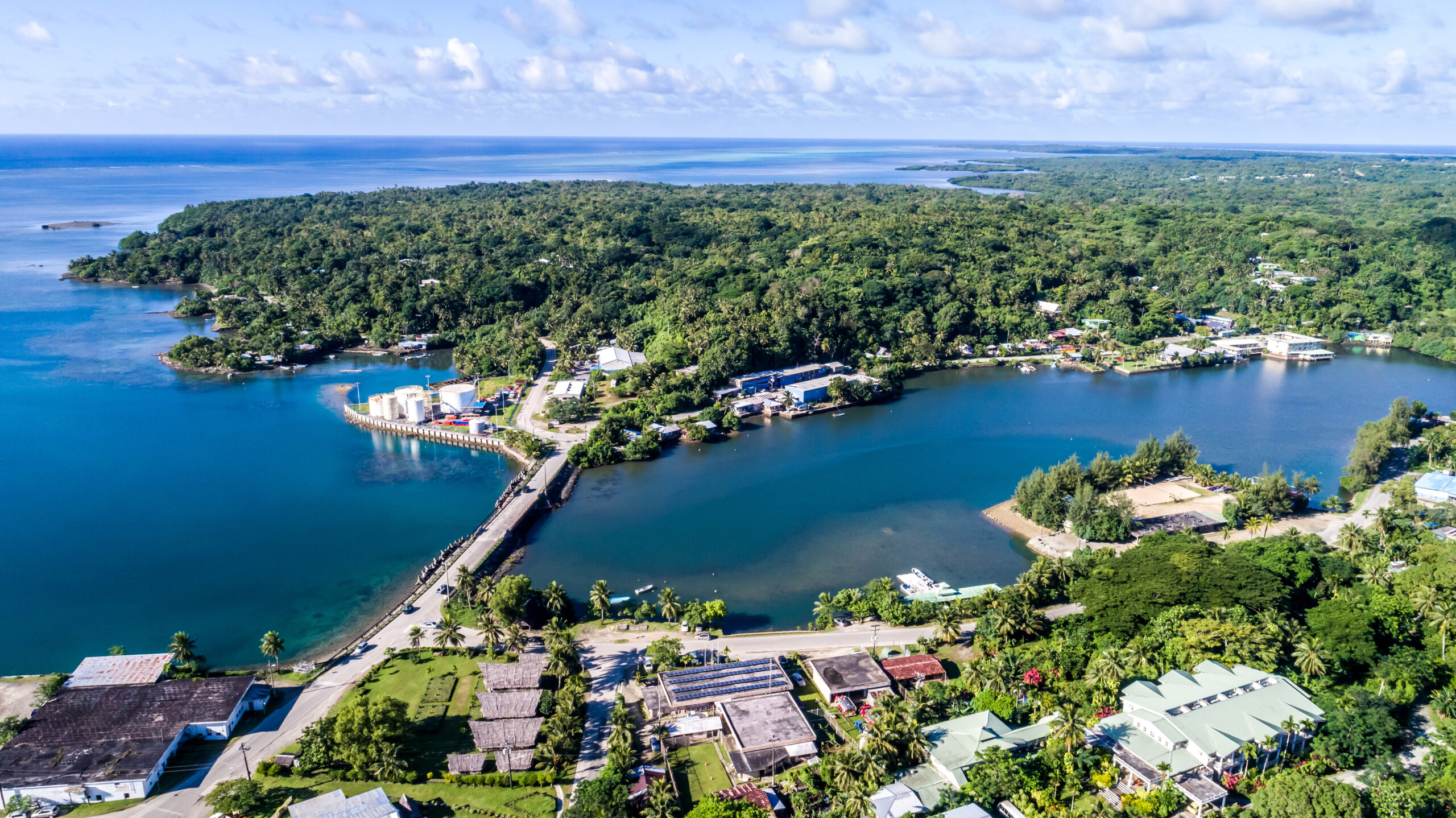
Resilient Communities Micronesia, a Green Climate Fund initiative led by the Micronesia Conservation Trust (MCT), supports locally led solutions to climate change across the Federated States of Micronesia, the Republic of the Marshall Islands, and the Republic of Palau. The program expands access to international climate finance for local organizations and communities through a more direct pathway to climate finance: country-based small grants, complemented by organizational strengthening, technical assistance, peer learning, and regional collaboration.
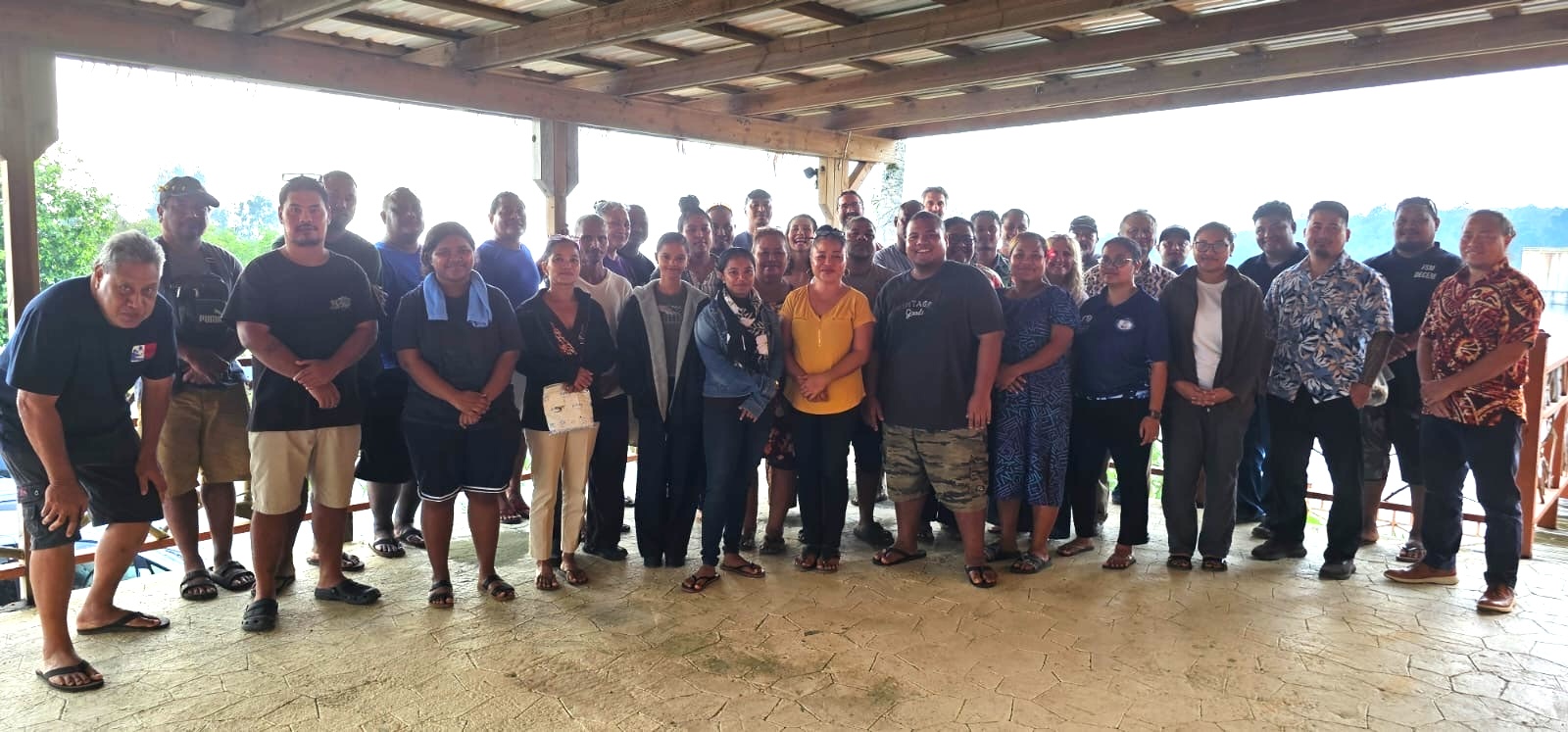
The program is now moving from planning into action. MCT and its partners recently wrapped up in-country workshops in September and October across all three countries, meeting with potential grantees, sharing information about the program, and working together to explore potential projects grounded in community priorities. The workshops also kicked off the grant application process. As the program moves toward its first grants next year, MCT is putting the systems and tools in place to make accessing and managing climate finance more accessible, efficient, and straightforward for local organizations.
The program is expected to reach more than 76,000 people across the three countries, with USD 4.3 million available through small grants as part of a USD 9.9 million total investment.
Bringing Climate Finance Closer to Communities
Resilient Communities Micronesia creates a more direct pathway for climate finance to reach the organizations and communities closest to climate impacts and the ecosystems that are critical to adaptation. Through country-based small grant programs under the Green Climate Fund’s Enhanced Direct Access approach, local organizations and communities can access resources to advance locally led adaptation.
Ecosystem-based adaptation, or EbA, is at the core of this work. Across Micronesia, healthy coral reefs, mangroves, coastal forests, wetlands, and other ecosystems are critical for food security, livelihoods, biodiversity, and community well-being–and help reduce the impacts of storms and other climate hazards. The program identifies and supports locally led efforts to protect, restore, and sustainably manage these ecosystems in ways that respond to community priorities, drawing on traditional knowledge and local experience alongside climate science and technical expertise.
This approach reflects a principle that has guided MCT’s work for years: the people closest to the challenges should have a meaningful role in deciding how resources are used to address them.
Strengthening Pathways to Future Climate Finance
Resilient Communities Micronesia also creates opportunities for organizations across the region to learn from and connect with one another. Regional networks and partners—including Eco-Fin Micronesia, the Pacific Islands Managed and Protected Area Community (PIMPAC), PoLLeN, and Micronesians in Island Conservation—provide opportunities for peer learning, technical support, and collaboration.
As projects get underway, the program will capture lessons about what organizations need to access and manage climate finance, what approaches are working, and where additional support is needed. Sharing those lessons can help strengthen future climate finance efforts in Micronesia and contribute to wider conversations across the Pacific about how climate finance can more effectively reach local organizations and communities.
Advancing a Micronesian Approach to Climate Finance
For more than 20 years, the Micronesia Conservation Trust has built financial mechanisms, grantmaking systems, and regional partnerships that put resources in the hands of organizations and communities across Micronesia. Resilient Communities Micronesia carries that experience forward into climate adaptation, expanding opportunities for local organizations and communities to access and manage climate finance and shape how it is invested. Together, this experience is helping strengthen a distinctly Micronesian approach to climate finance—one that puts local leadership, regional institutions, and long-term resilience at its center.