

OUR WORK

Resilient Communities Micronesia

Strengthening communities, ecosystems, and climate adaptation across the Micronesia region.

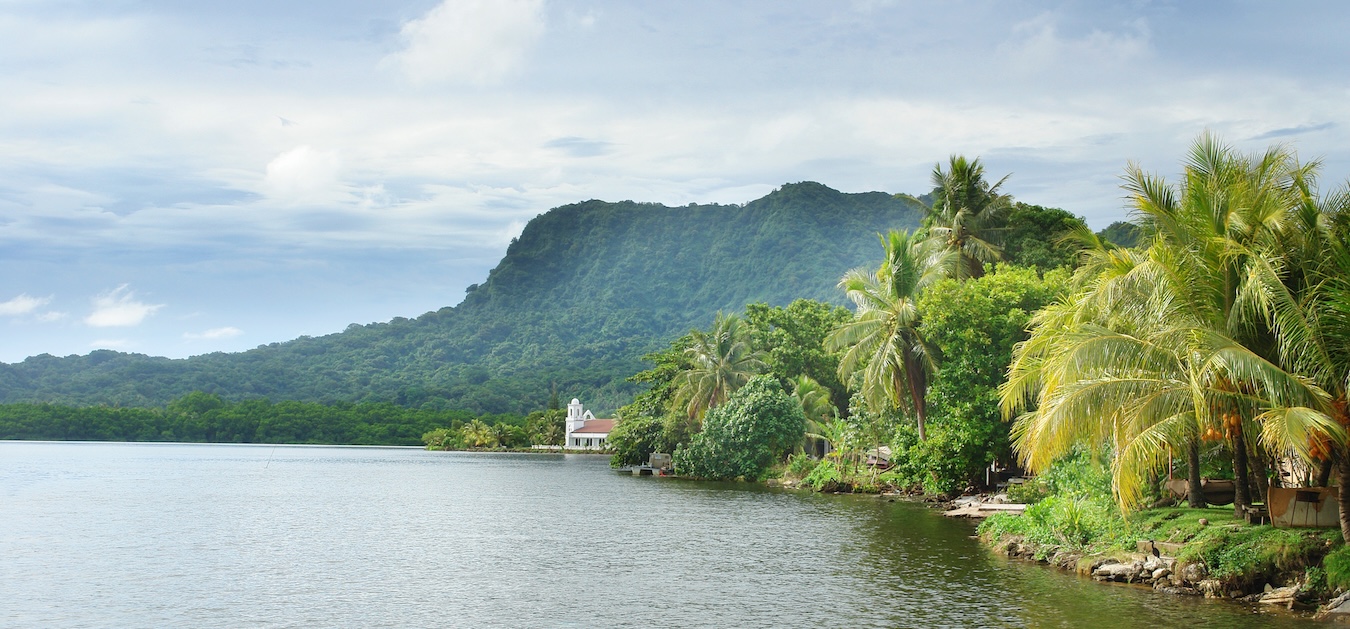
Kosrae Micronesia shoreline and mountains

About

Resilient Communities Micronesia is a Green Climate Fund initiative working across the Federated States of Micronesia, the Republic of the Marshall Islands, and the Republic of Palau to support locally-led ecosystem-based adaptation.


Formally designated as “Ecosystem-based Adaptation for Reducing Vulnerability to Climate Change in Northern Pacific Small Island Developing States (SAP029)”,  the project focuses on the livelihoods of people and communities, and ecosystems and ecosystem services.


The Micronesia Conservation Trust (MCT) serves as the Accredited Entity, working in partnership with the Palau Protected Areas Network (PAN) Fund and the Republic of the Marshall Islands PAN Fund, managed by the Marshall Islands Marine Resources Authority (MIMRA), to deliver the program.

At a Glance

  • 76,000+ people expected to benefit across the region
  • USD 4.3 million available through small grants to support locally led adaptation initiatives
  • Works across 4.7 million km² of ocean across 3 Pacific Small Island Developing States 
  • USD 9.9 million total program investment
  • 2024–2030 implementation period

Program Factsheet

Resilient Communities Micronesia Factsheet

The Challenge

The islands of the Federated States of Micronesia (FSM), the Republic of the Marshall Islands (RMI), and the Republic of Palau span more than 4.7 million km² of the Pacific Ocean yet have limited land area, making communities particularly vulnerable to climate change impacts.


Micronesian communities have long been leaders in adapting to environmental change, drawing on generations of traditional knowledge to steward coral reefs, mangroves, and seagrass habitats that protect coastlines and support food security.


But as rising seas, stronger storms, and coastal erosion grow more intense, these ecosystems face increasing pressure—and many communities continue to face barriers accessing the international climate finance needed to implement locally driven solutions.


Coastal and marine environments play a key role for the communities of the Micronesian archipelago. The funding for conservation projects and ecosystem-based adaptation approaches needs to be scaled up to adequately prepare for the worsening effects of climate change.

Program Overview

Resilient Communities Micronesia supports locally led ecosystem-based adaptation (EbA) by enhancing direct access to climate finance for local organizations and communities through country-based small grant programs, combined with organizational strengthening and regional learning.


Grounded in community priorities and informed by traditional knowledge and climate science, the program strengthens resilience for people and nature while demonstrating the potential of locally led climate finance to shape future adaptation across Micronesia and beyond.

What is Ecosystem-based Adaptation?​
Ecosystem-based Adaptation (EbA) harnesses nature to help communities adapt to climate change. By protecting, restoring, and sustainably managing nature, EbA provides cost-effective solutions that support biodiversity while strengthening livelihoods, well-being, and resilience.


Resilient Communities Micronesia supports locally led EbA by investing in projects that strengthen mangroves, coral reefs, coastal forests, wetlands, and other ecosystems that reduce climate risks, support food security and livelihoods, and build resilience across Micronesia.

Program Approach

The program works through three interconnected components: 

1. Strengthening Local Organizations and Communities

Training, technical assistance, and peer learning strengthen the capacity of civil society organizations, NGOs, and local and state governments to design, implement, and sustain EbA initiatives.

2. Providing Direct Climate Finance

Country-based Small Grant Facilities provide direct financing for community-led EbA projects through the Green Climate Fund's Enhanced Direct Access approach.

3. Advancing Regional Climate Finance Readiness

The program documents and shares lessons, evidence, and best practices to strengthen regional collaboration, build institutional readiness, and demonstrate effective locally led models to support Micronesia's ability to access, manage, and scale future climate finance.

Regional Networks and Initiatives

Through Resilient Communities Micronesia, local organizations, communities, and governments benefit from membership in regional networks:

Eco-Fin Micronesia helps organizations build the long-term capabilities needed to access, manage, and sustain climate finance.

The Pacific Islands Managed and Protected Area Community (PIMPAC) enables members to share information, expertise, practice, and experience to develop and strengthen their area-based management capacity.

PoLLeN provides law and policy analysis, training, and capacity development support to help local organizations and communities engage more effectively in climate and conservation decision-making processes.

Micronesians in Island Conservation (MIC) strengthens the organizational and technical skills of leaders and their organizations so they can better protect important natural areas.

Contact

MCT-GCF Regional Program
Micronesia Conservation Trust
jgmori@ourmicronesia.org 

Republic of the Marshall Islands
PAN Office, MIMRA
aedwards@mimra.com 

Palau
Palau PAN Fund
remesiochel@palaupanfund.org 

Federated States of Micronesia
Department of Resources and Development
kai.yamada@rd 
Republic of the Marshall Island logo Republic of Palau logo Federated States of Micronesia logo


Green Climate Fund logo