

MCT mobilizes funding from philanthropic partners, multilateral funds and endowment income and deploys it where it can have the greatest impact. As one of only two conservation trust funds with Green Climate Fund (GCF) accreditation, MCT can access international funding streams that governments and local organizations often cannot — providing stable, long-term income that outlasts any single grant.
MCT also serves as the financial administrator of the Micronesia Challenge — the regional commitment by the governments of Palau, FSM, RMI, Guam and the CNMI to effectively manage 100% of their ocean resources by 2030.
Long-term conservation requires capable institutions and leaders. MCT provides technical assistance, training, and financial oversight to help local organizations and governments design, access and manage conservation funding.
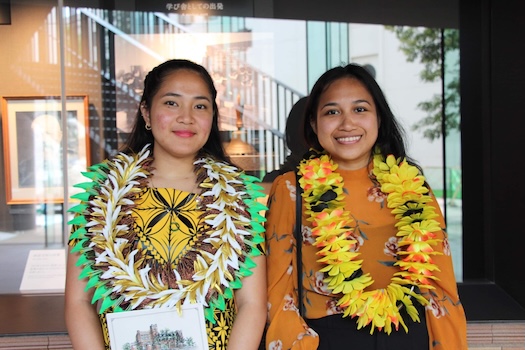
Through scholarships, fellowships and peer-learning programs, we invest in the next generation of Micronesian conservation leaders.
MCT is expanding how conservation is financed. Through innovative instruments like zero-interest loans for reef-benefiting businesses — alongside grants and technical support — MCT is building new pathways for investment in Micronesia’s natural assets that center community prosperity alongside conservation outcomes.
Coral reefs across Micronesia are under real pressure, and many of the businesses that could take some of that pressure off do not have the support to scale. MCT, in collaboration with The Nature Conservancy and the Global Fund for Coral Reefs (GFCR), is developing the GFCR Livelihoods Fund — offering zero-interest loans of $30,000 to $100,000 for businesses in FSM, RMI and Palau whose work benefits reefs.
Expressions of interest are open now. Deadline: September 25, 2026.
→ Learn more
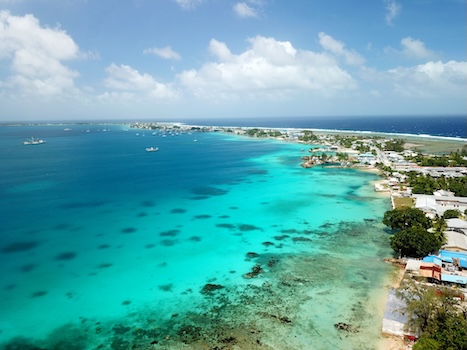
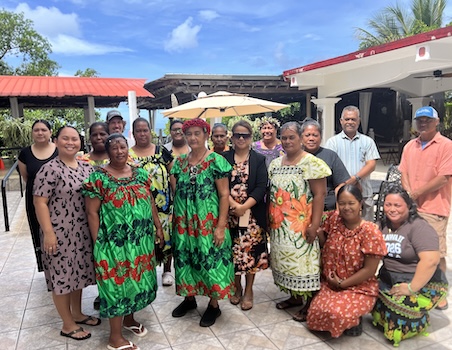
Resilient Communities Micronesia supports locally led ecosystem-based adaptation across FSM, RMI and Palau. Through enhanced direct access to international climate finance, small grants and technical support, the program demonstrates that when local organizations and communities lead adaptation efforts, solutions are more effective, cost-efficient and culturally grounded. The project aims to benefit 76,000+ people across 4.7 million km² of ocean.
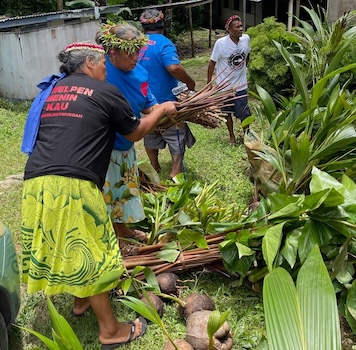
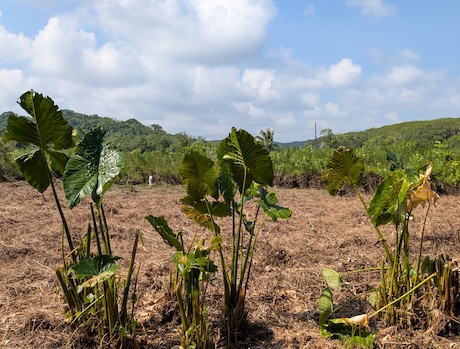
Across the Federated States of Micronesia, climate change is threatening the farming systems that communities depend on — through crop loss, land degradation and disrupted supply chains. Supported by a grant from GCF, this project helps vulnerable farming households build resilience through sustainable agricultural practices and climate-resilient value chains, reaching an estimated 181,000 people across FSM.